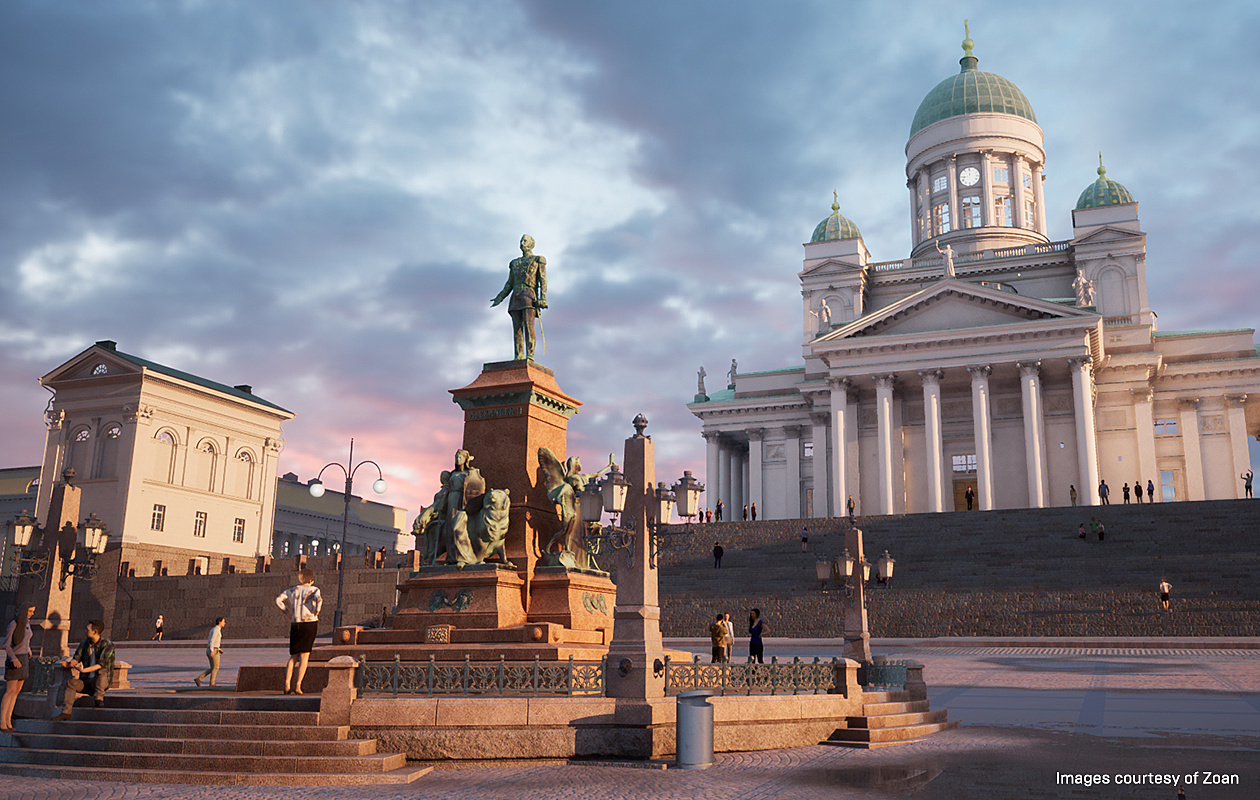
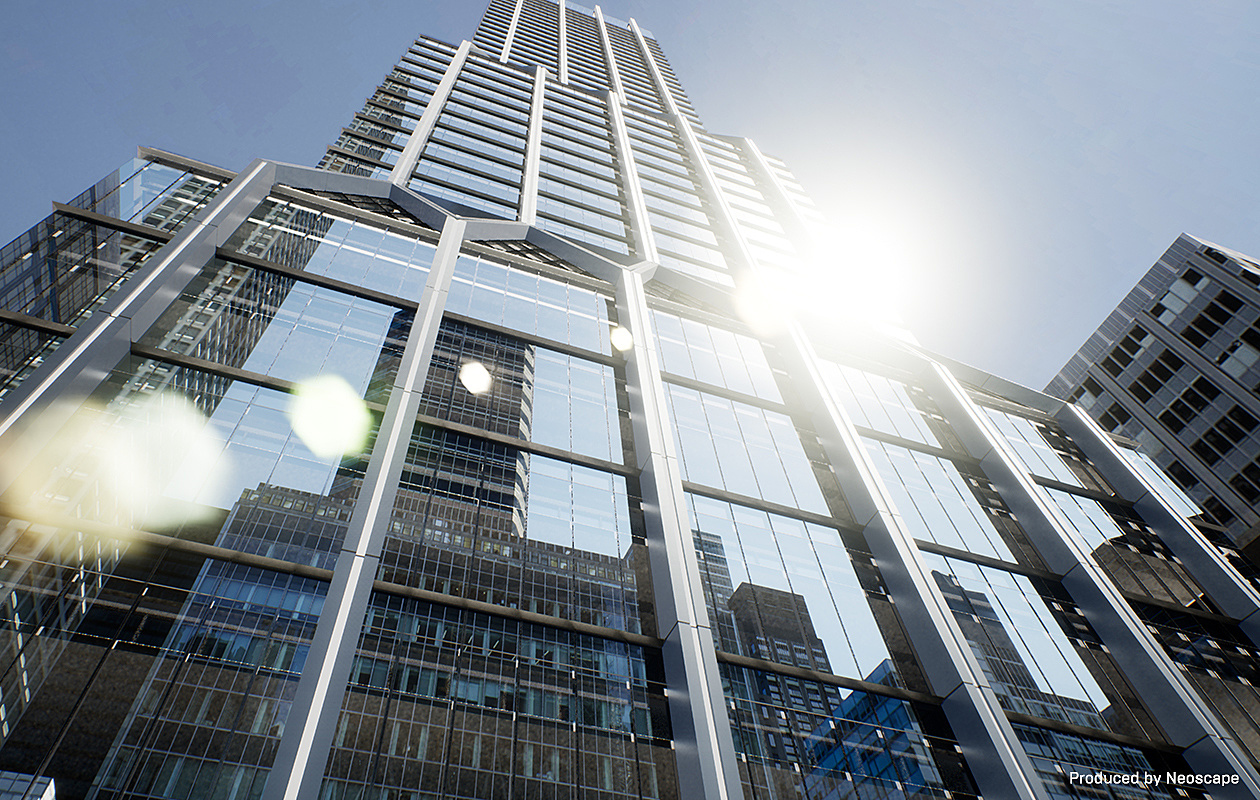
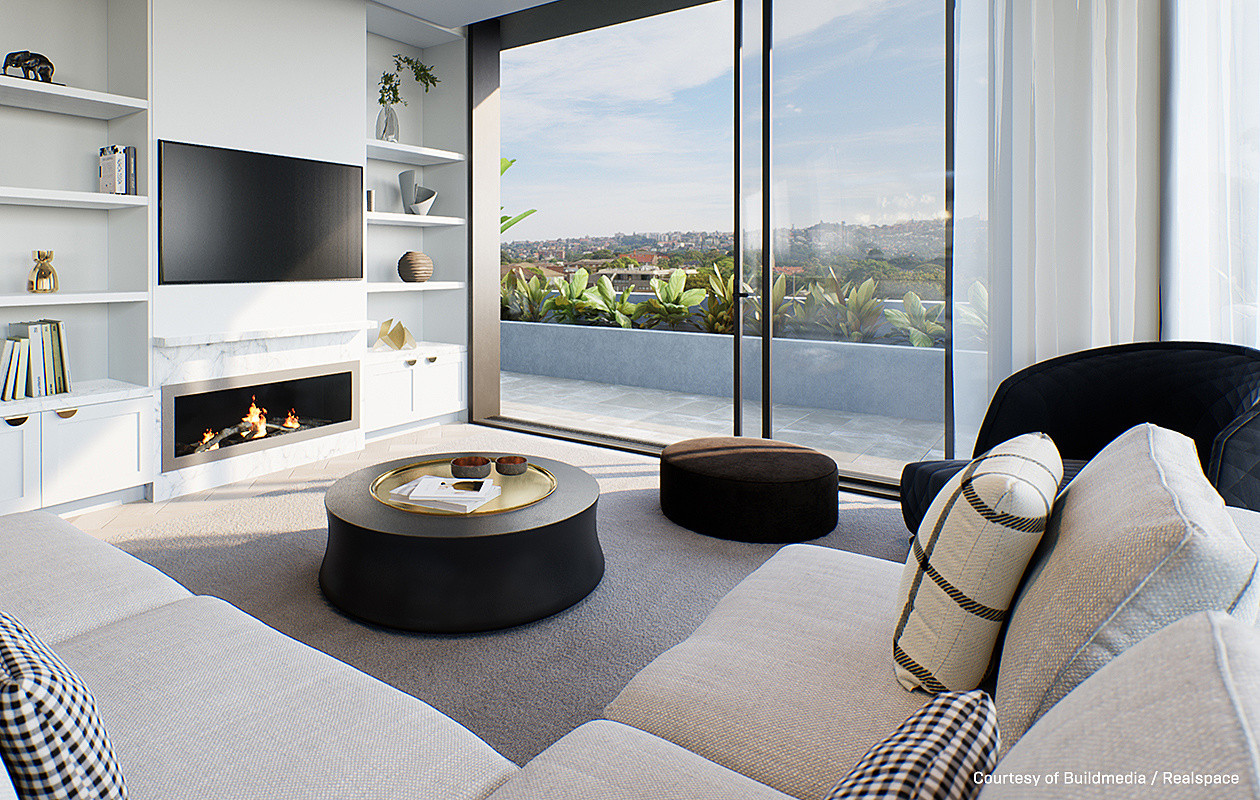
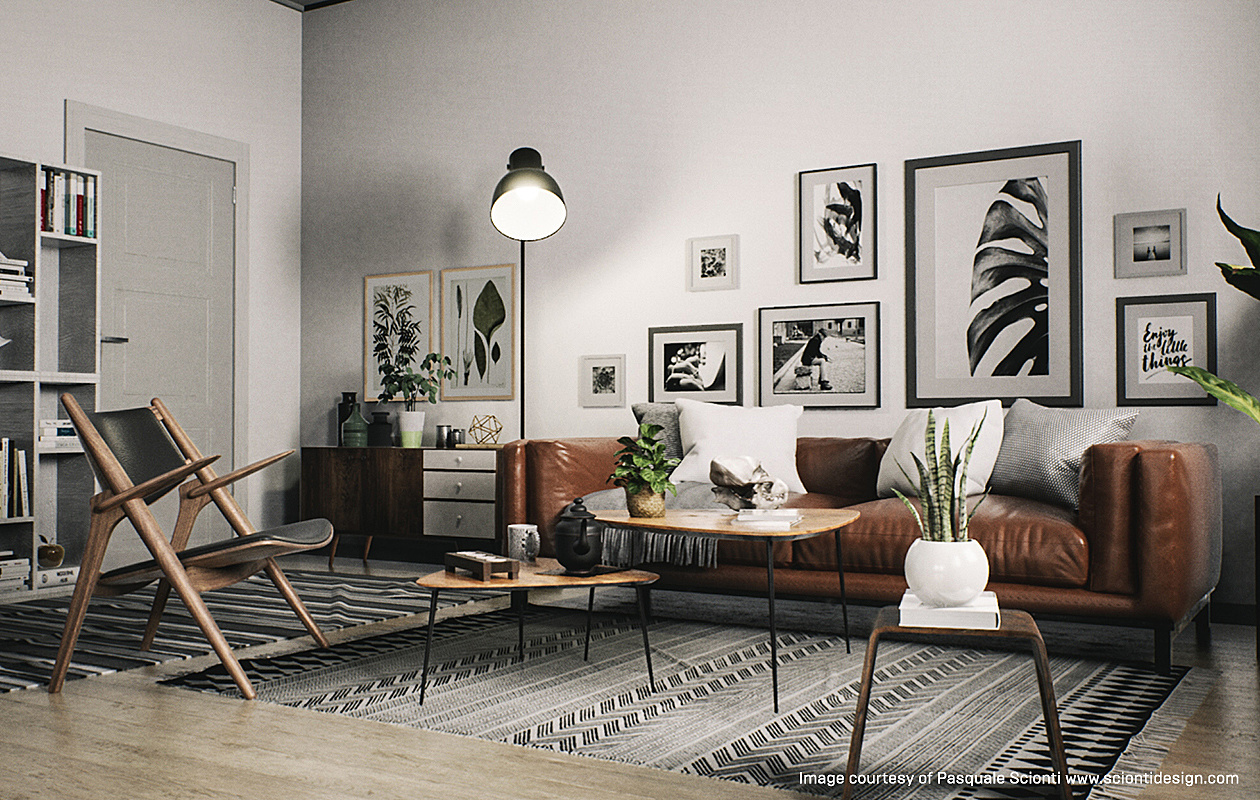
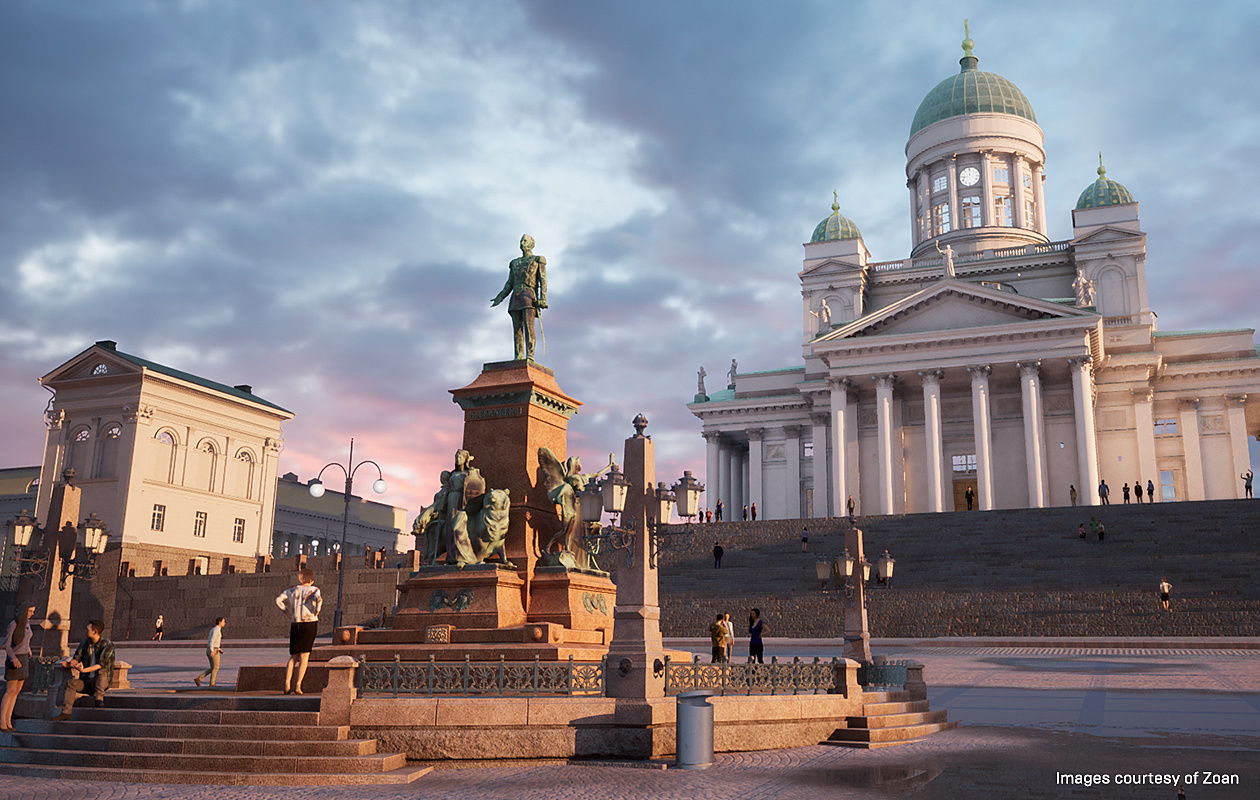
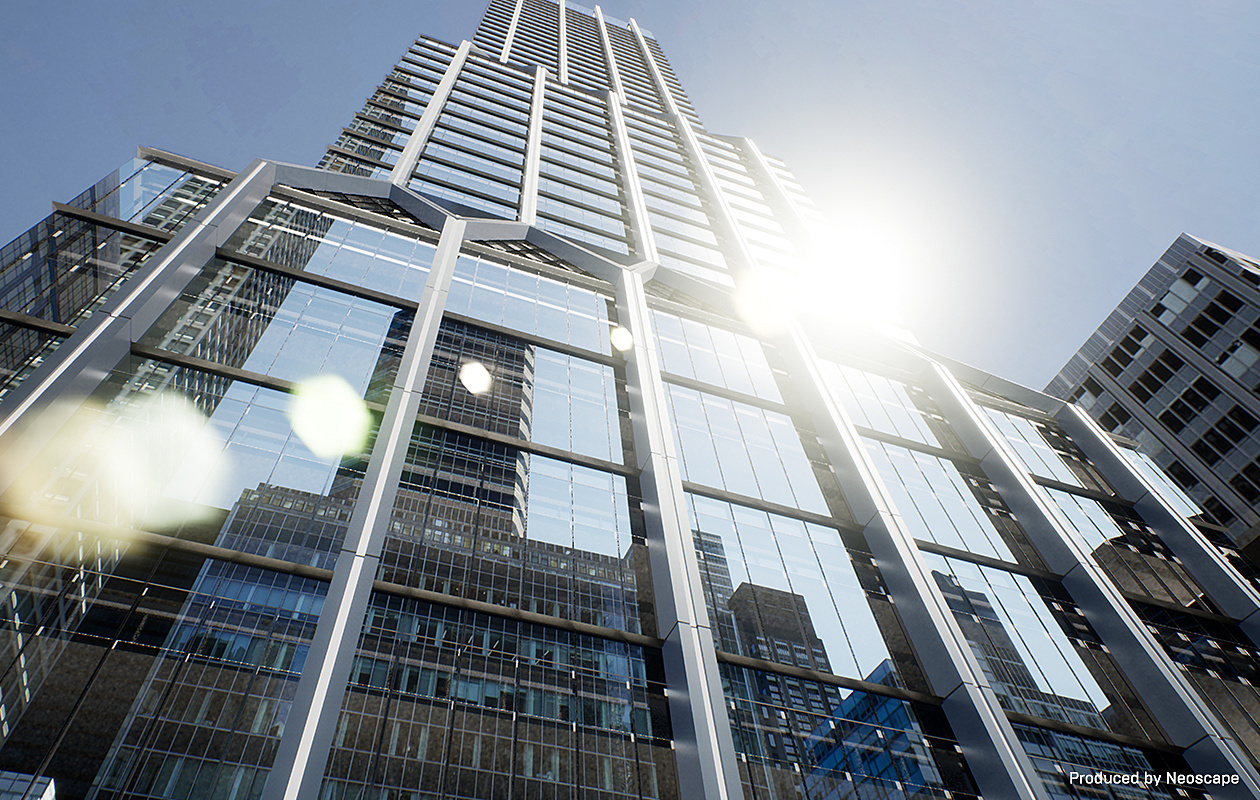
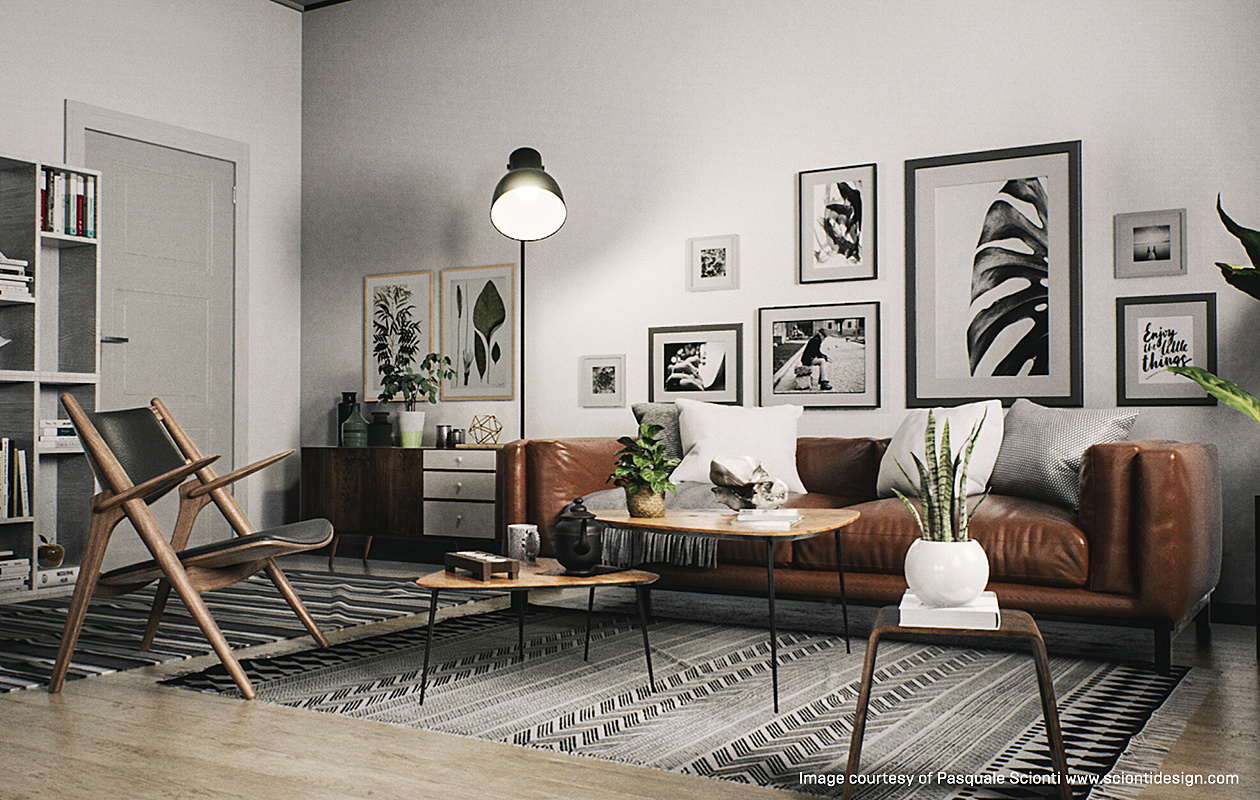
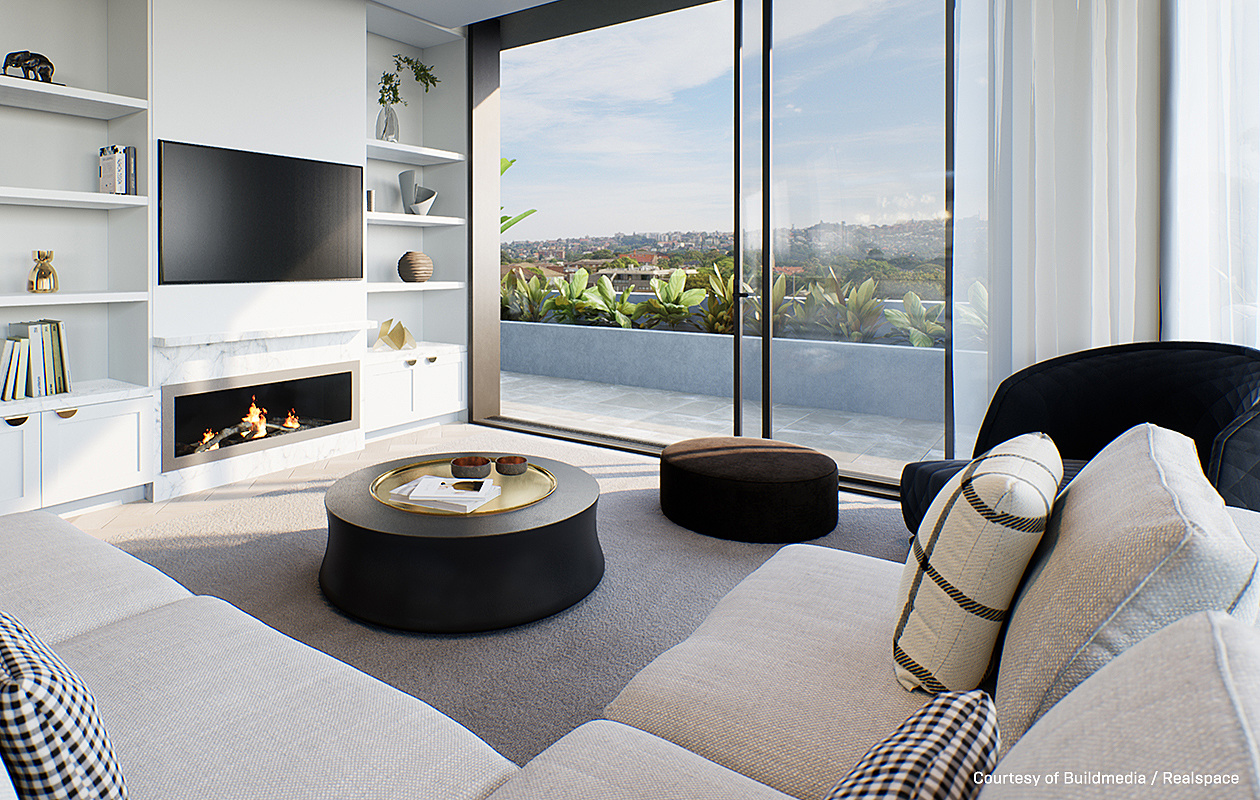
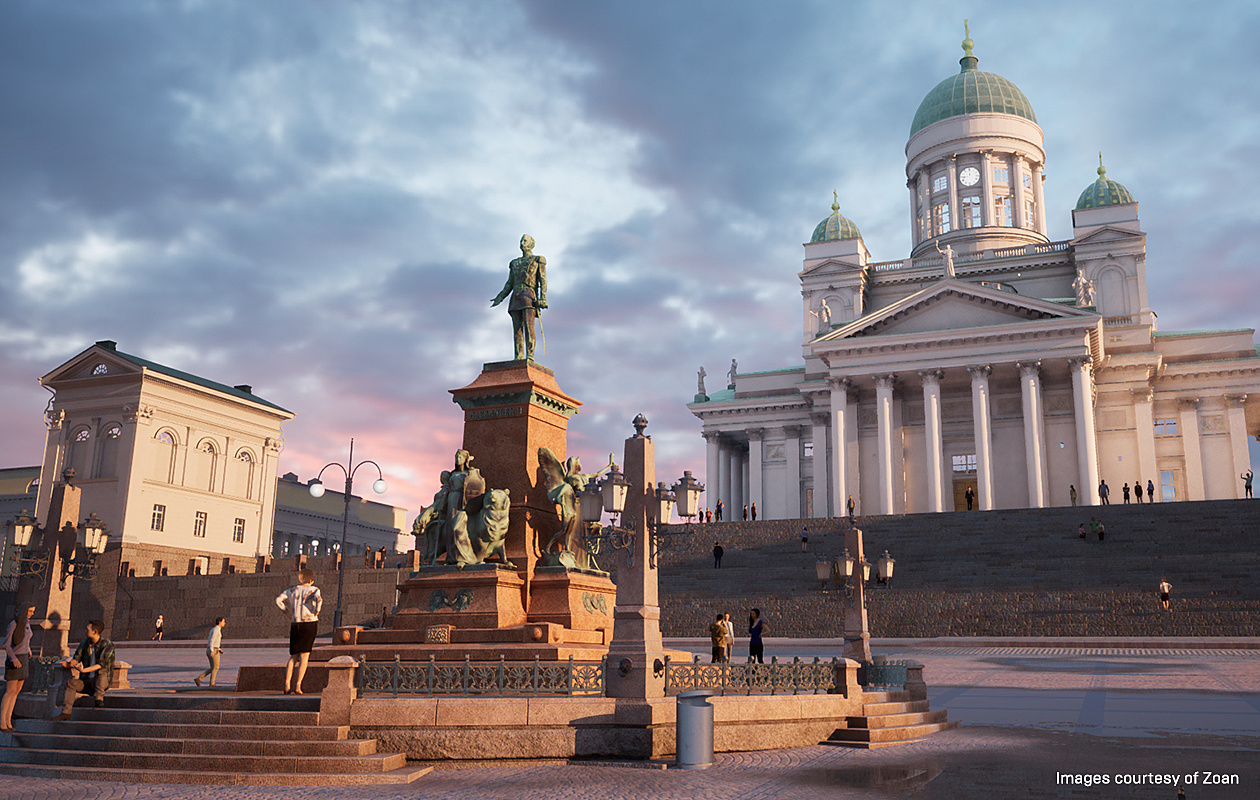
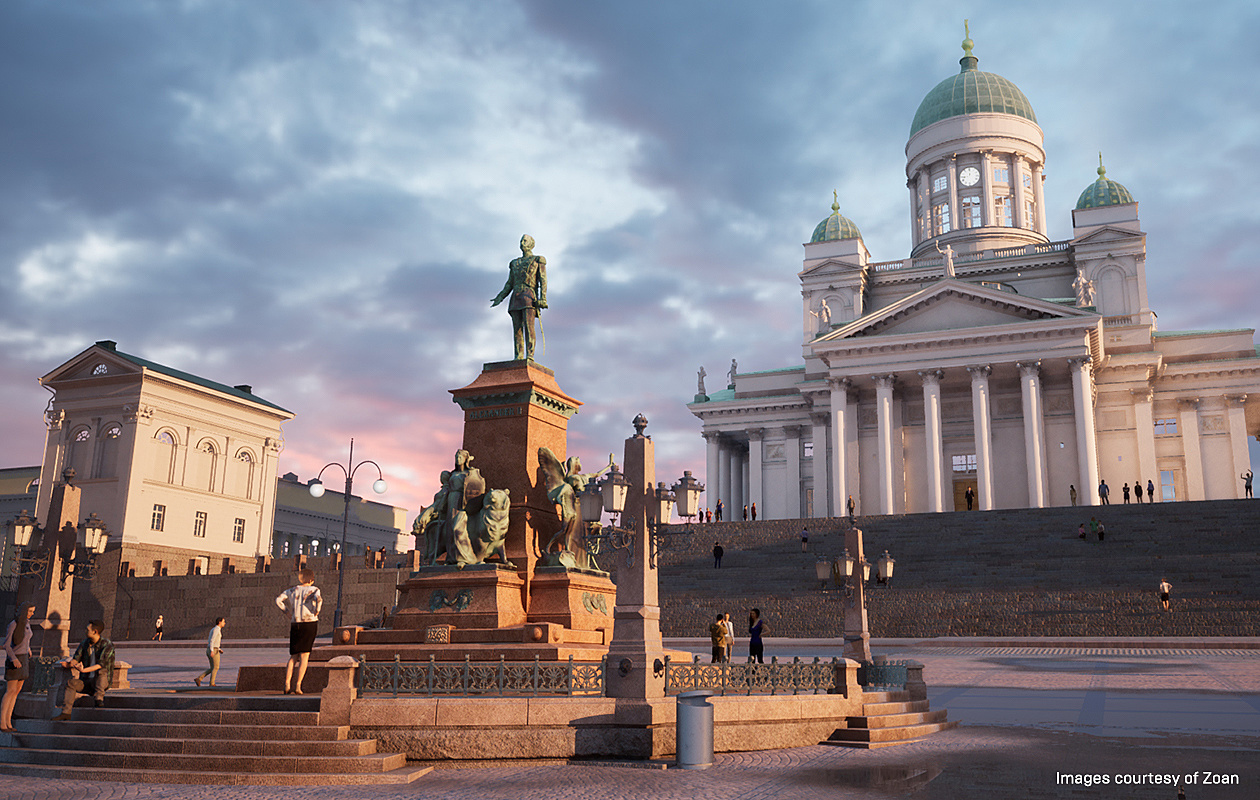
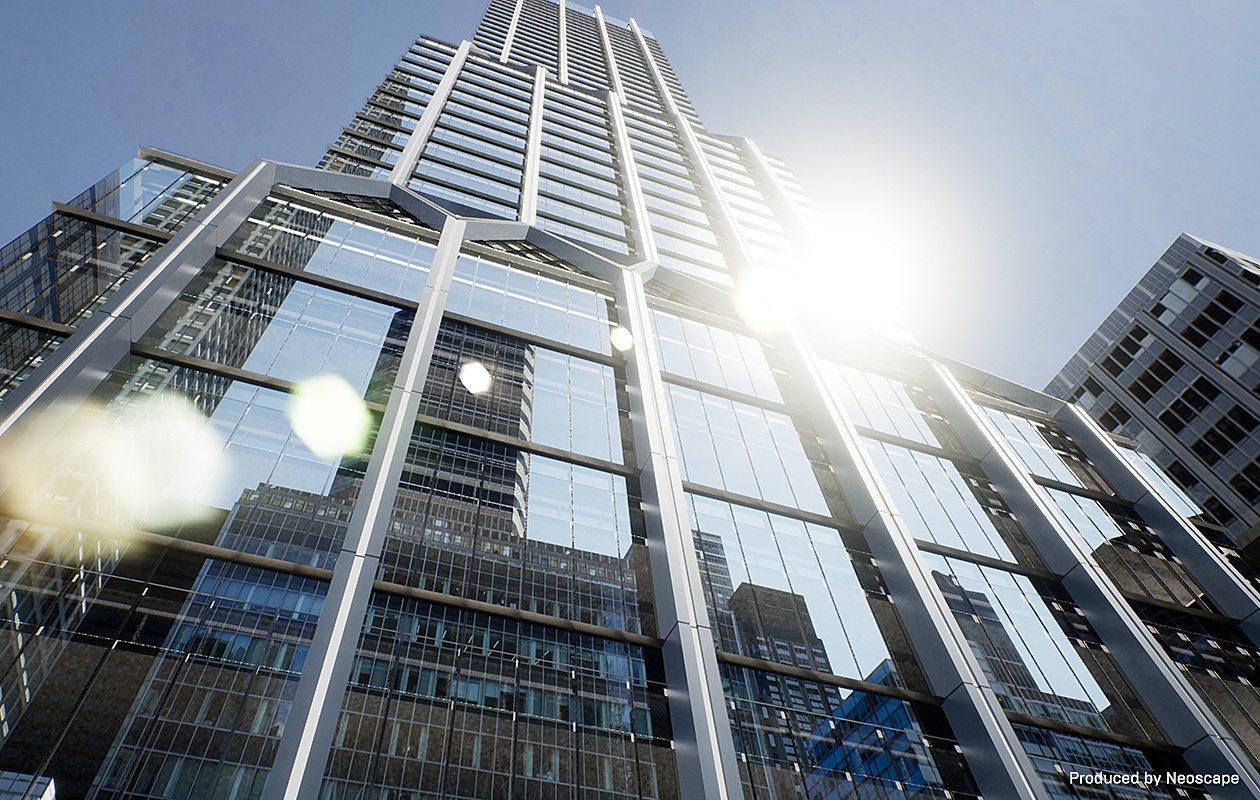
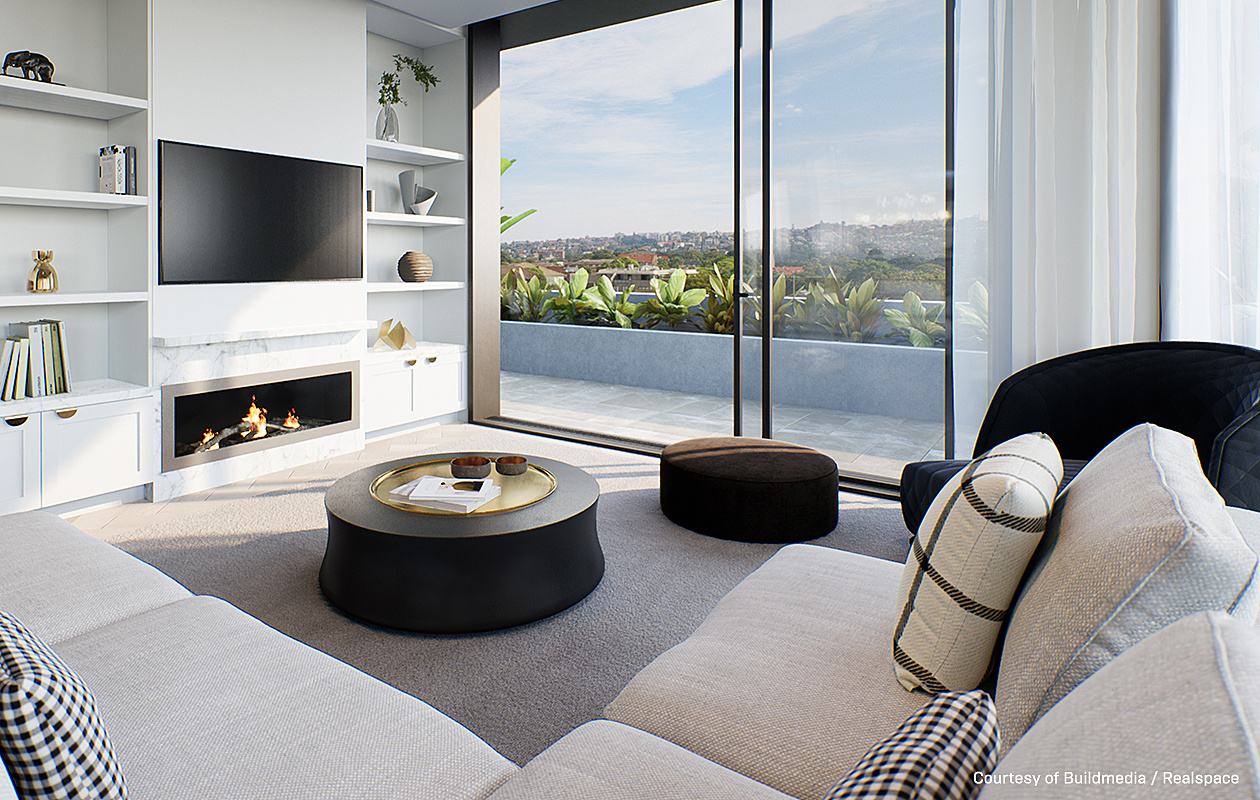
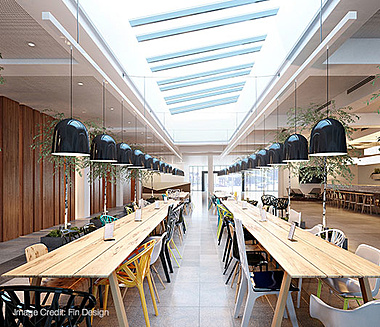
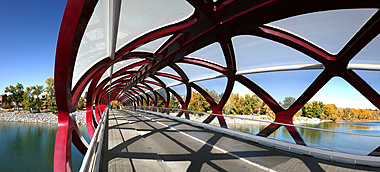
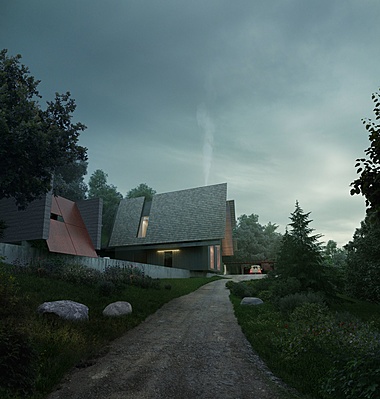
If you’re in the business of creating architectural visualizations that are physically accurate, 100% believable, and also interactive or immersive, you’ll have heard about
real-time ray tracing. By tracing the path of light beams from the camera as they bounce around a scene, ray tracing mimics the physical behavior of light in a far more realistic way than the traditional method of rasterization, achieving much greater photorealism as a result.
At GDC in March 2018, Epic Games
unveiled real-time ray tracing in Unreal Engine, opening up a new world of possibilities for architectural visualization.
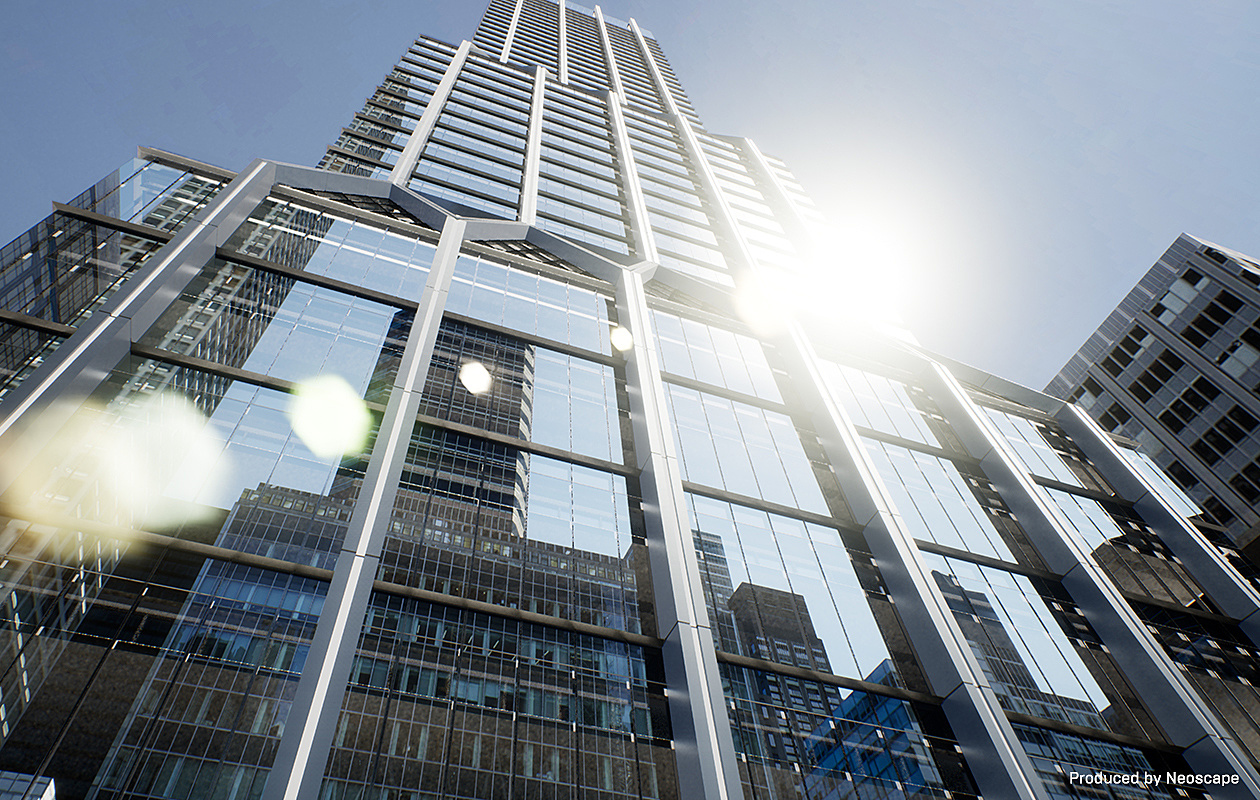
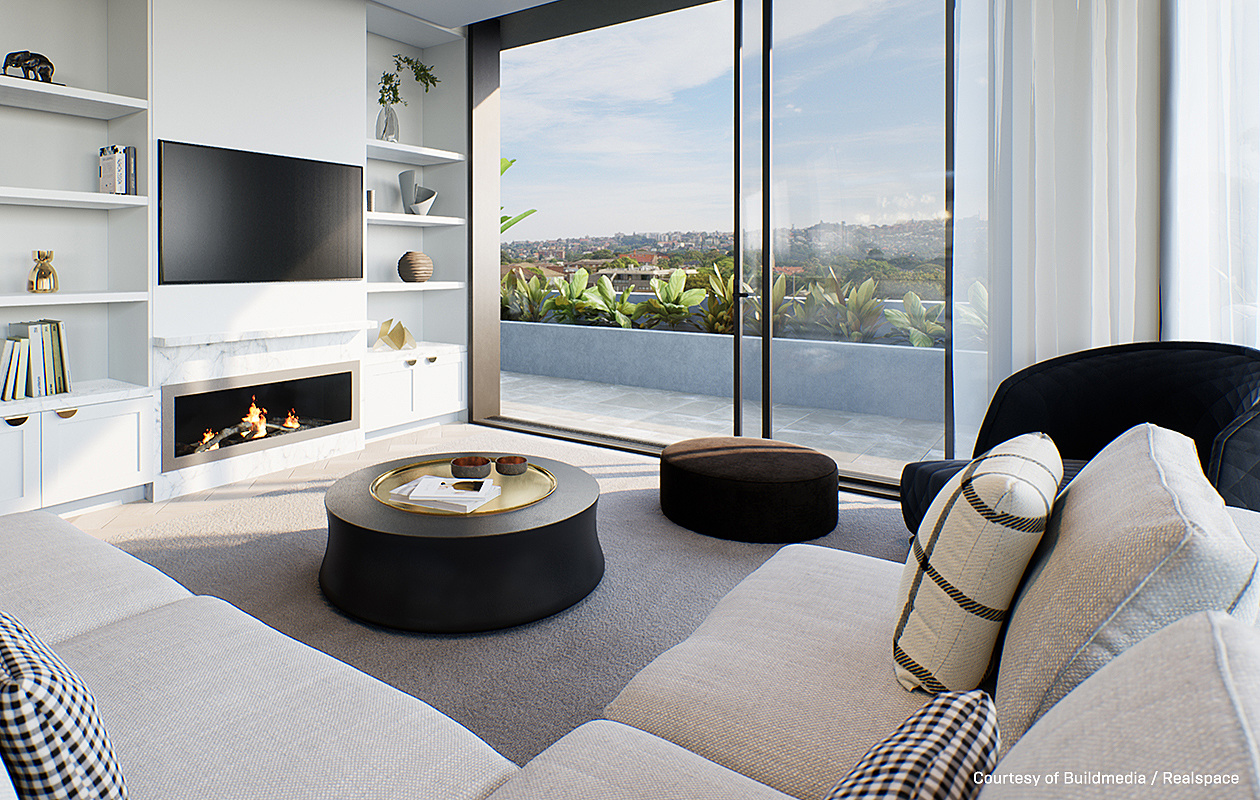
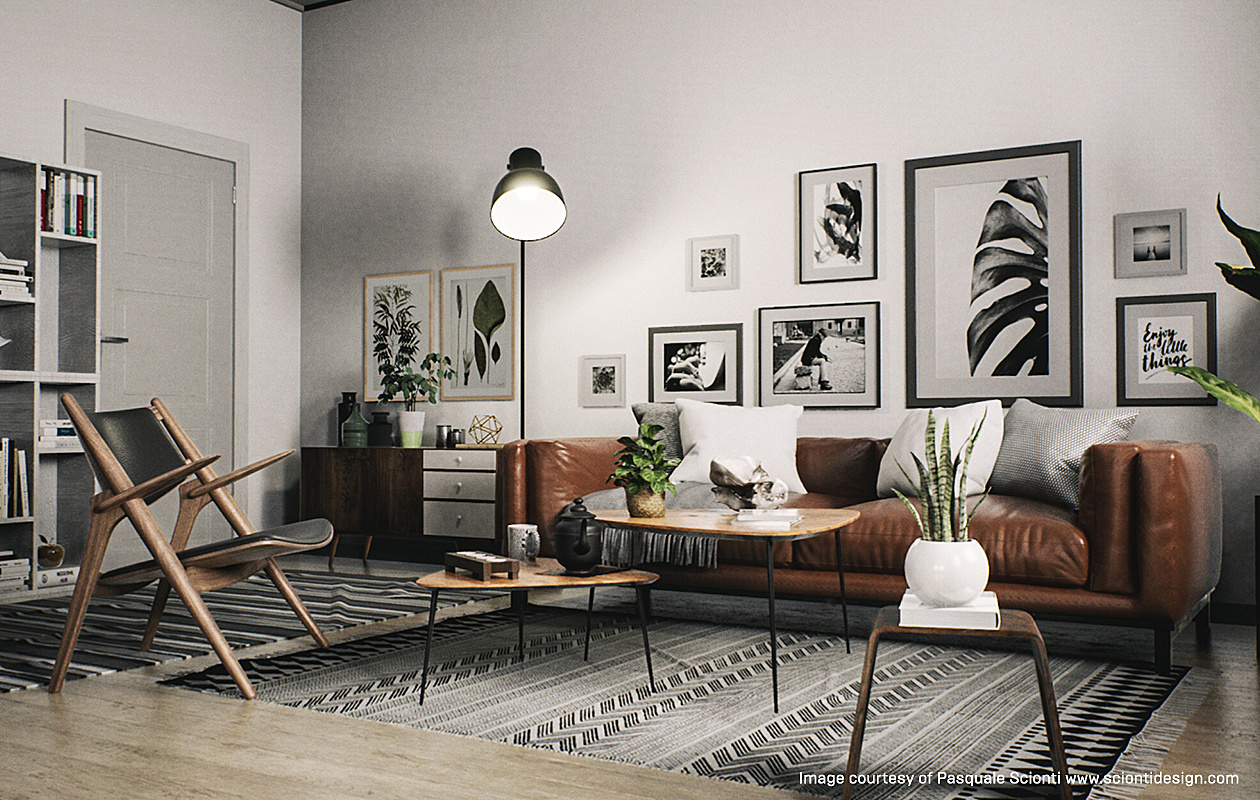
For archviz specialists used to offline rendering processes that can take hours to render a single frame, the advent of ray tracing in real time is a blessing. Now, it’s possible to create immersive interactive experiences—like VR walkthroughs of a building—that reach a previously unattainable level of realism, while photorealistic renderings can be created in less than a second.
Let’s explore three key areas of lighting an architectural scene in which real-time ray tracing can be the difference between almost believing something is real and actually believing it.