

Tutorials
Test Article 3
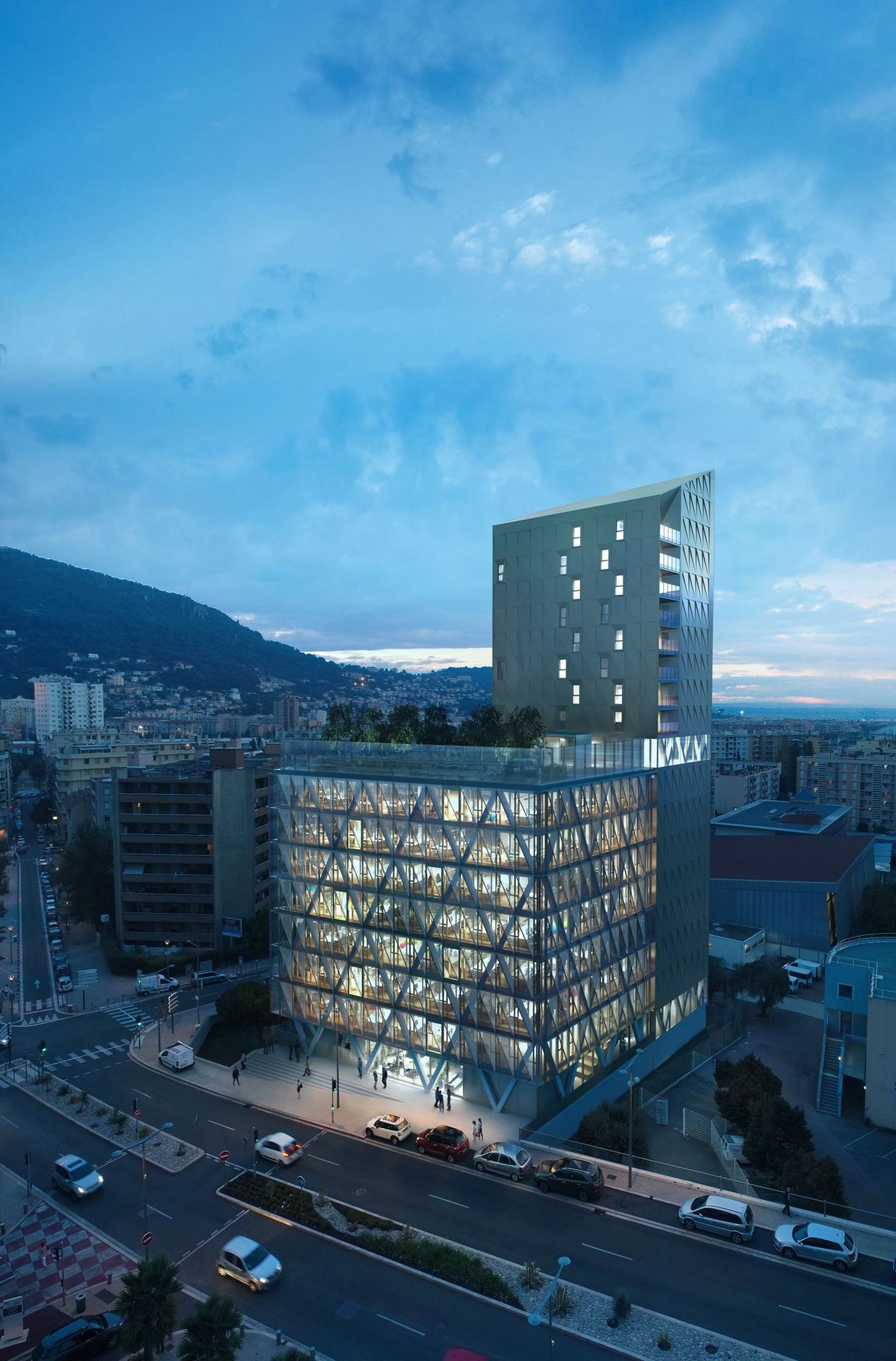
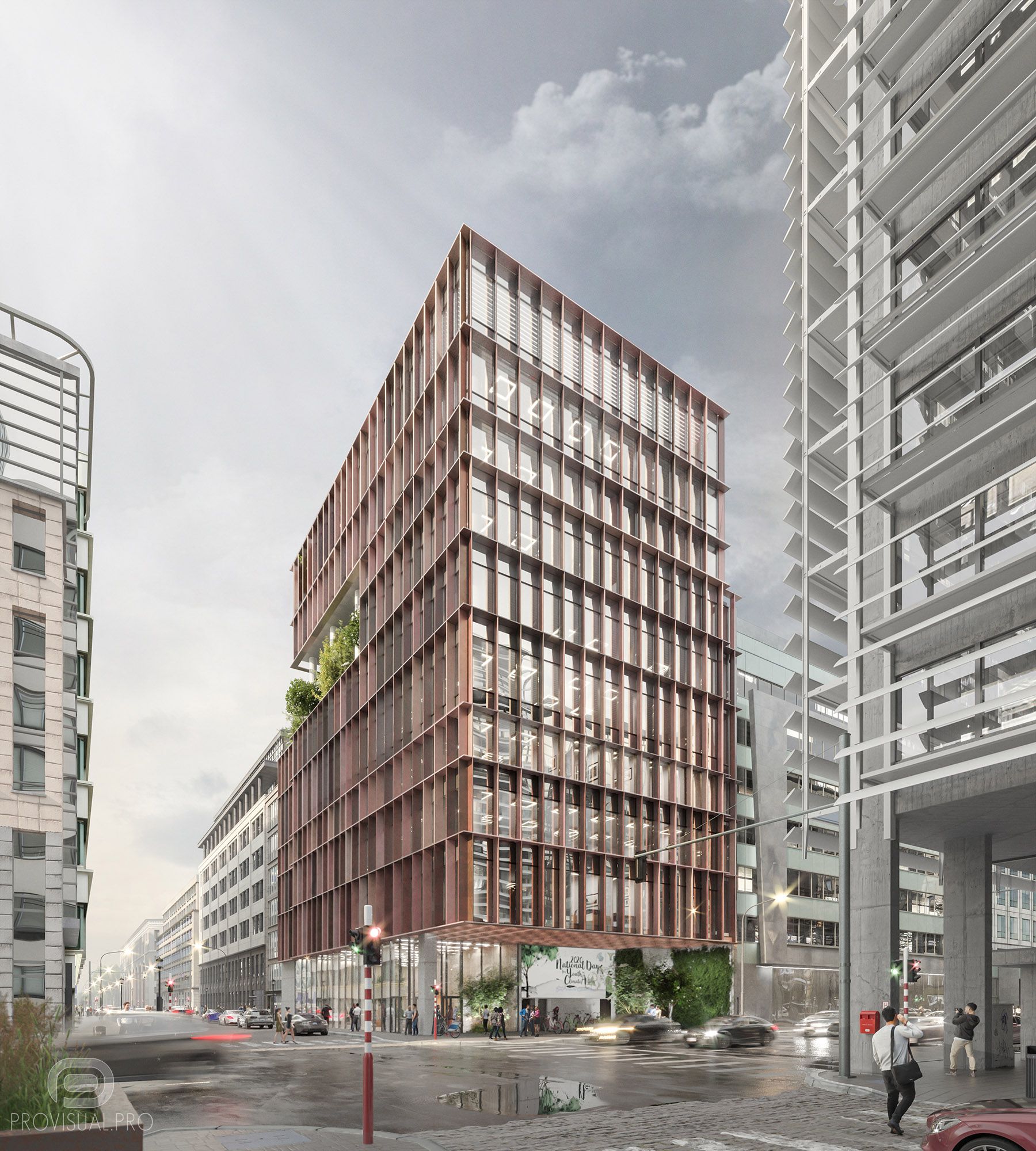
As with Turner’s painting, this Luxigon image uses a composition based on a spiral. The dynamic spiral of the building seems to spill over into the free forms of the clouds while the contours of the trees on the building are echoed in the shapes of these cumulus clouds to reinforce this visual link. The haze of the setting sun allows the artist to tone down the noisy geometric shapes of the urban landscape and set the emotional tone in precisely the way a painter such as Turner would have done. These atmospheric effects give the artist a creative freedom and control over pictorial elements that has been employed with great success here to produce an image with compelling dramatic power.
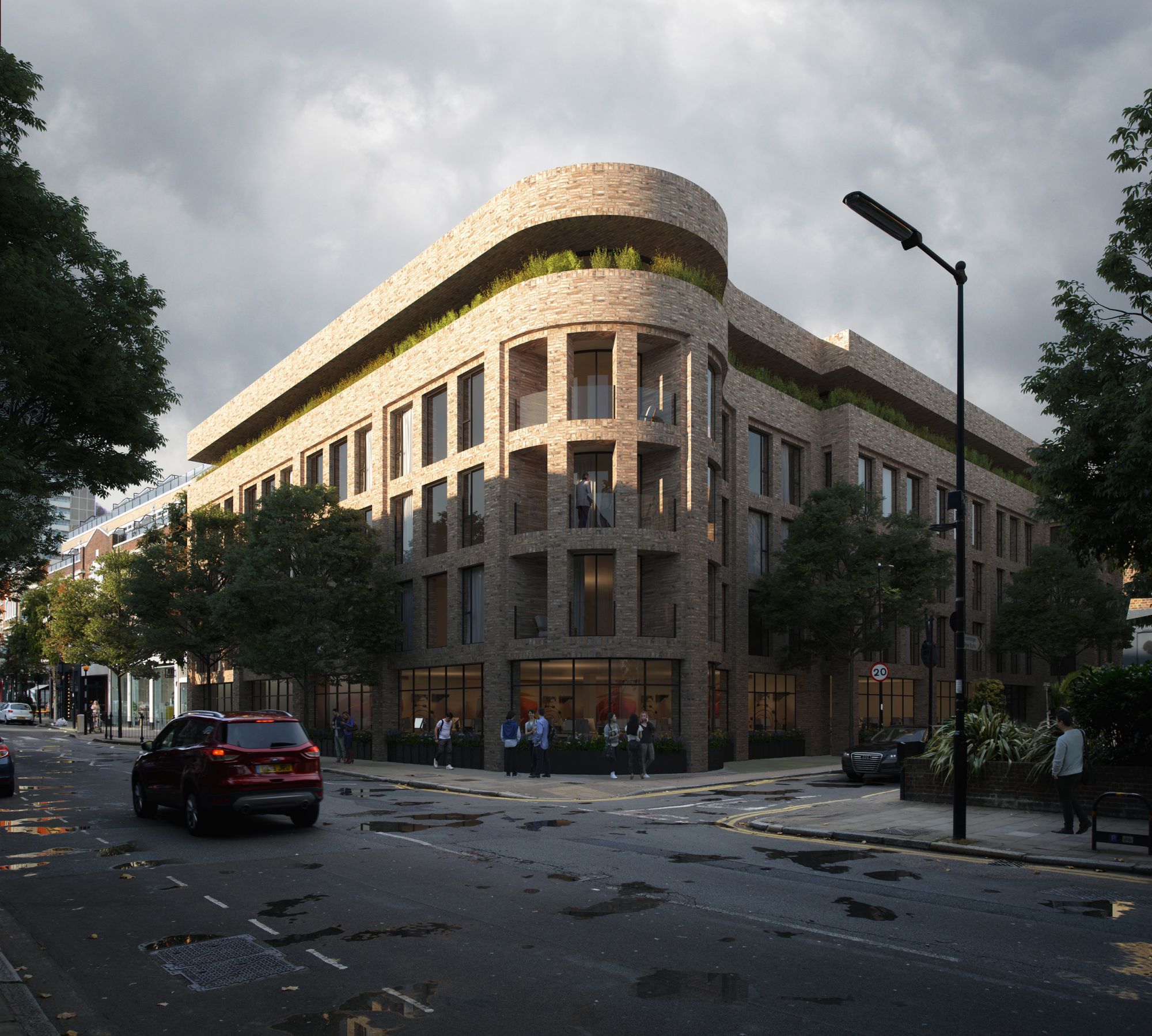
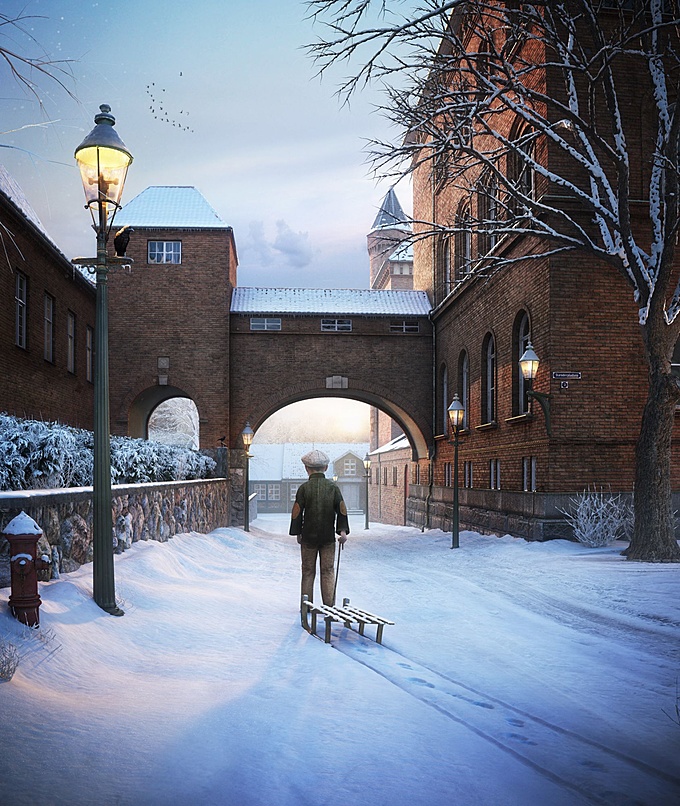
In the image by Forbes Massie Studio (below) atmospheric effects and the effects of light, shadow and reflection have been integrated with extraordinary sophistication into the overall composition to achieve a realism that consciously emulates the ‘feel’ of realistic painting from previous centuries. It is a masterpiece of ‘painterly’ realism in its own right.
An unusual challenge
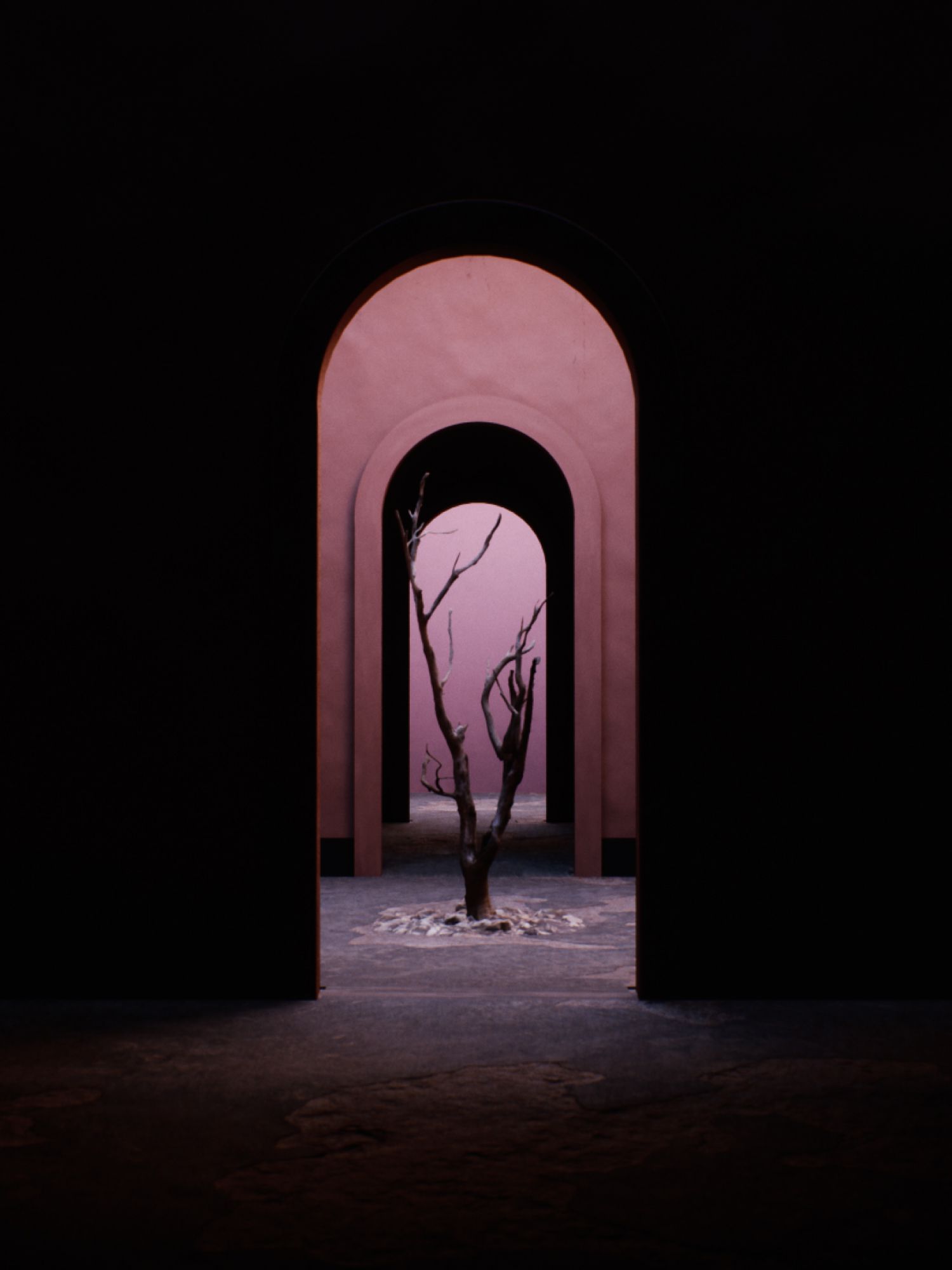
In the first part of this two-part series I placed realism in architectural visualization in an art-historical context, showing that realism actually plays a relatively minor role in the global history of art. (I use the term ‘realism’ in the popular sense of optical accuracy – as opposed to the 19th century movement in art and literature called Realism, which had very specific aims). Realism, in fact, is something of an outsider in the world of art. Because of this, it had to develop special methods to achieve the same expressive qualities found in ‘normal’ art, that is, art that is overtly stylised and abstracted, as found in most traditional cultures across the world. These special methods, developed by painters since the 15th century, have proved to be particularly important to architectural visualisation to achieve the desired emotion or mood in an image. The above image by Lucia Frascerra is far from being just a highly accomplished piece of photographic realism. The qualities that make it so tangibly lifelike and engaging go well beyond mere optical accuracy.
In the first part of this two-part series I placed realism in architectural visualization in an art-historical context, showing that realism actually plays a relatively minor role in the global history of art. (I use the term ‘realism’ in the popular sense of optical accuracy – as opposed to the 19th century movement in art and literature called Realism, which had very specific aims). Realism, in fact, is something of an outsider in the world of art. Because of this, it had to develop special methods to achieve the same expressive qualities found in ‘normal’ art, that is, art that is overtly stylised and abstracted, as found in most traditional cultures across the world. These special methods, developed by painters since the 15th century, have proved to be particularly important to architectural visualisation to achieve the desired emotion or mood in an image. The above image by Lucia Frascerra is far from being just a highly accomplished piece of photographic realism. The qualities that make it so tangibly lifelike and engaging go well beyond mere optical accuracy.
The same can be said for this masterpiece by Jan Vermeer. The face of the girl, as well as her pearl earring, seem to have been painted with pure light. Optical accuracy has been achieved in a supreme degree here. But the vivid quality of this unforgettable image owes its impact to far more than this. The qualities that breathe life into an image to make it tangibly real for the viewer are not so much technical as artistic and abstract. Unlike traditional art, realistic art carefully hides these qualities, so that the average viewer is not even aware of them.
The hidden qualities of realistic art
The expression of emotion in a realistic scene poses some difficult problems. In the art of traditional societies, the expression of emotion and mood is facilitated by the expressive distortion of form that is inherent in the abstract qualities of the style. This abstraction can also express a particular attitude to the world. Modern art, starting with Post-Impressionism, recaptured these qualities, as this painting by Vincent van Gogh shows.
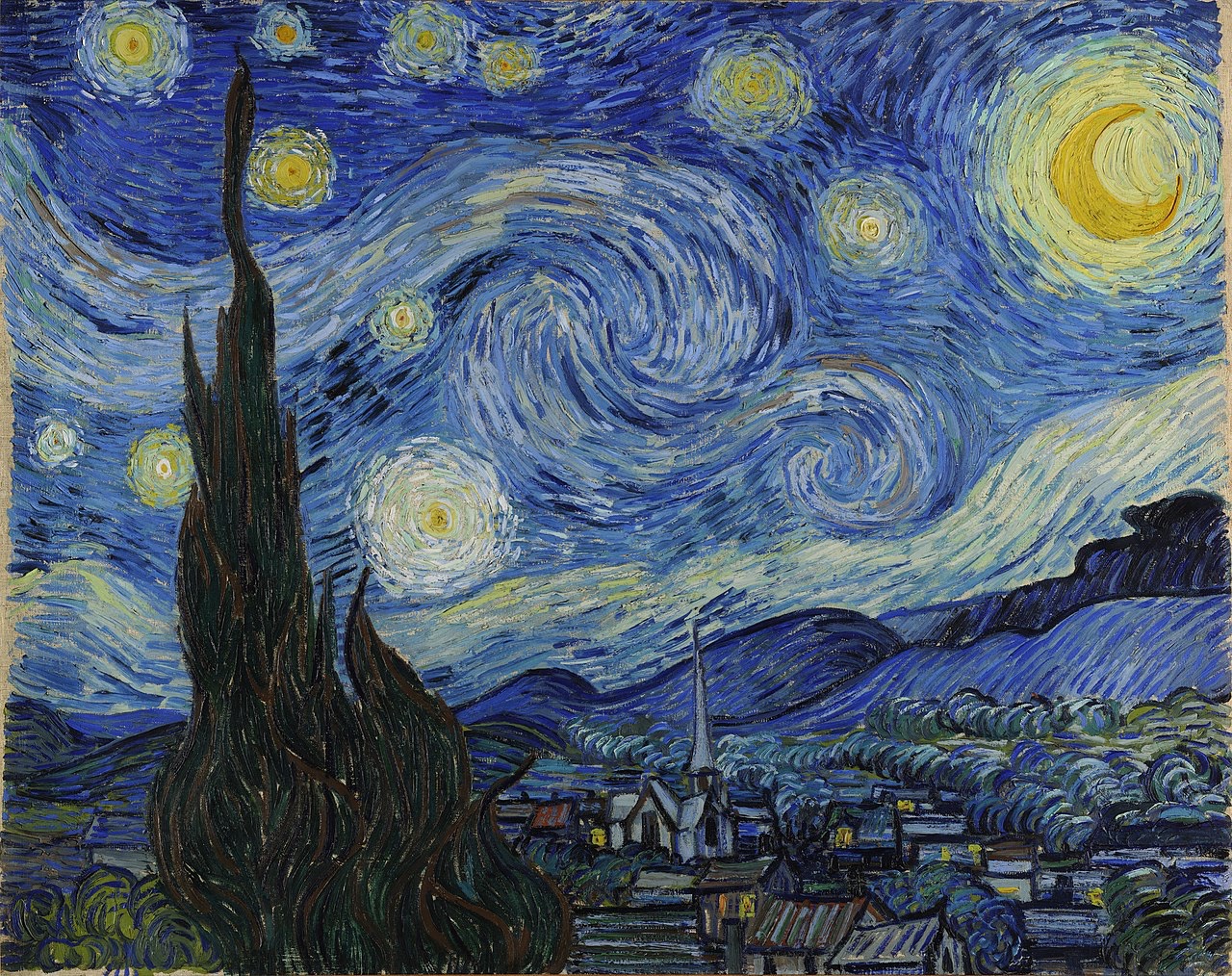
This painting is quite unlike any photograph of a starry night, but it conveys the vision and emotion of the artist in a way that is artistically more direct than what a photograph or realistic painting could. Imagine this scene without the distortion or abstraction of form, the exaggerated use of colour or the powerful use of brushwork. These are totally abstract devices that have nothing to do with photographic reality. A somewhat abstracted use of colour is one of the most effective ways of imbuing a realistic image with mood or emotion, and it has been employed by painters since the Renaissance. Exaggerated or obvious brushwork was likewise employed since the Renaissance by some artists, although very subtly for the most part.
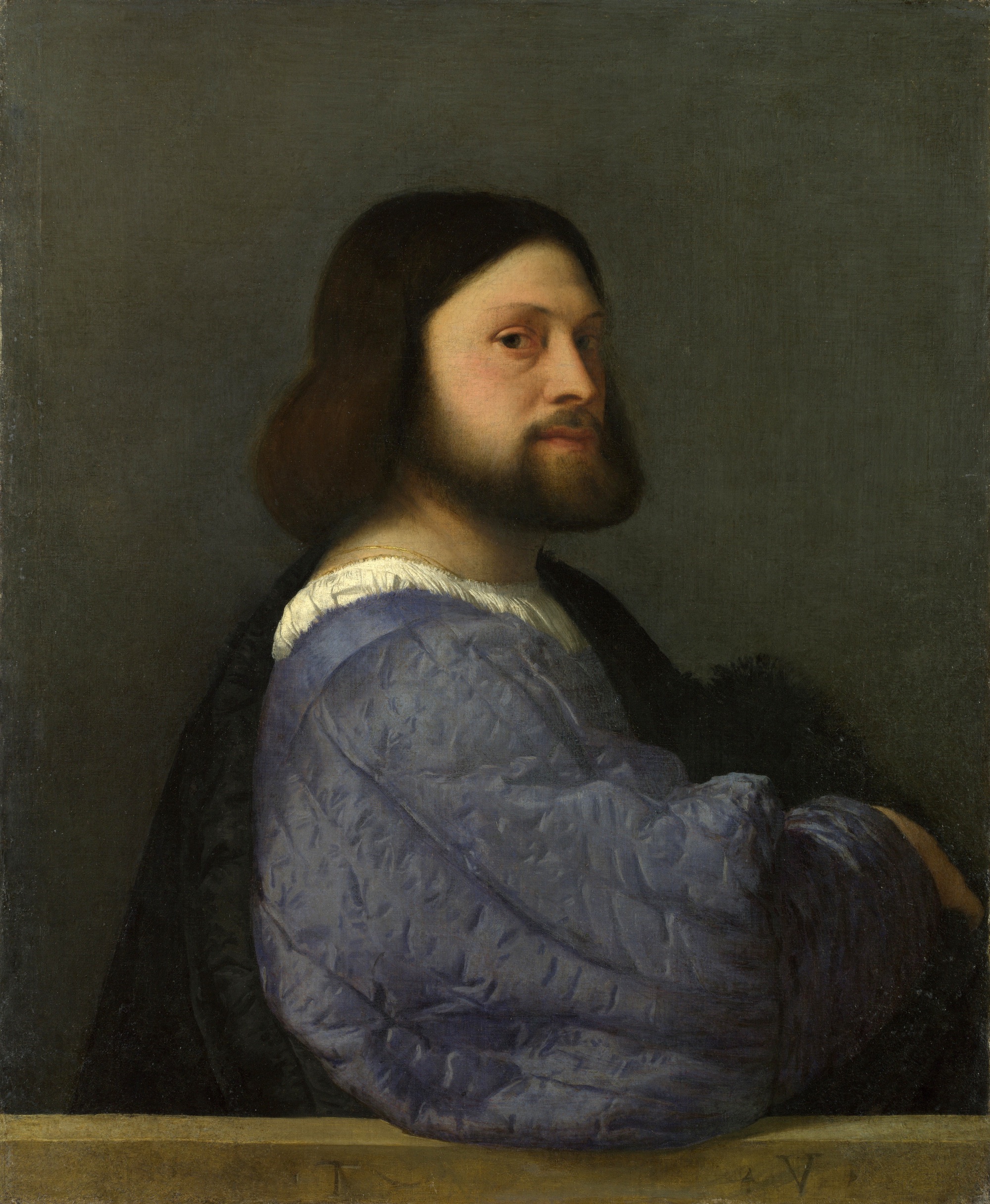
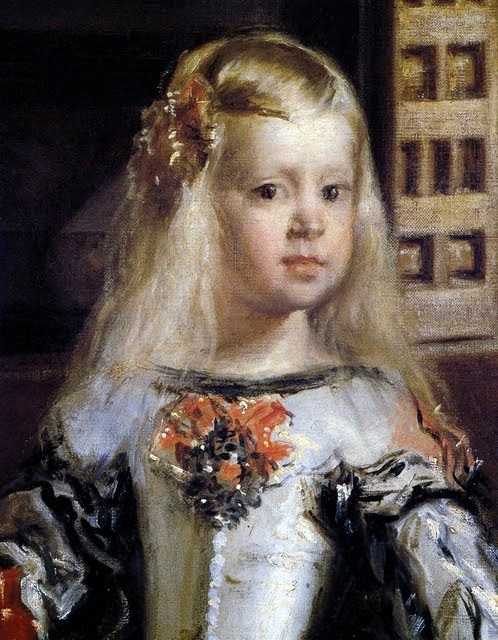
The subject’s quilted silk sleeve, in this painting by Tiziano, owes its amazingly lifelike quality not only to the accurate tonal modelling and the subtle variation of hue and saturation, but also, to a great extent, to the freedom of the brushwork. Close up it is far from realistic, but at a slight distance it creates an optical effect that imparts a vitality to its realism that is not easily matched by any camera. This is best appreciated when standing in front of the actual painting, since it involves the three-dimensional aspect of the brushwork. Light reflects of the varied thickness of the oil paint and the texture of the canvas in ways that are skilfully manipulated by the artist to produce this effect. Also, he very subtly expresses human emotion through the brushwork. A brushstroke is like handwriting – it directly expresses something unique about the personality of the author. But it does so in a much richer and far more eloquent way. And this added human touch gives the image an enhanced vitality that no photograph can match.
The application of painterliness to arch viz
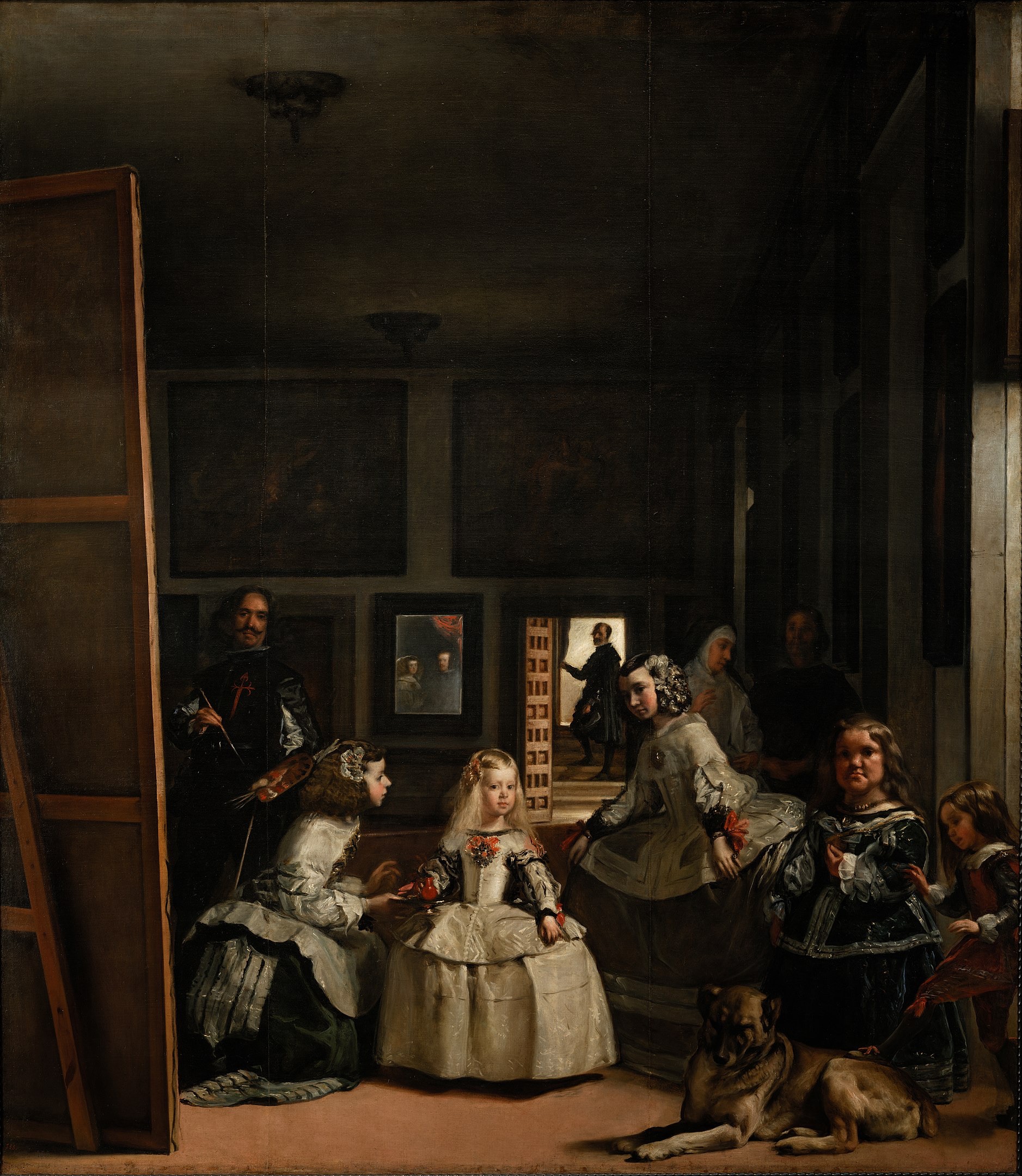
This optical vitality can, to some extent, be emulated in arch viz by playing with contrasting areas of sharp focus and blurred areas. Note how blurred the hands and even the profile of the lady in waiting on the left is. Much of the painting’s realism is achieved, ironically, through abstract means – the contrast of thick paint with thin paint; gradual modulations of tone and colour that contrast with abrupt transitions from the one tonal extreme to the other; rough, broken brushwork with smooth, evenly brushed paint; dashes of saturated colour with fields of neutral colour etc. These abstract devices express emotion in the same way that abstract art does – directly through abstract aesthetic principles – and it is this expressive side of realistic painting that makes it more lifelike than a photograph. These hidden qualities have to be ‘felt’ – you cannot explain or calculate them in purely rational terms.
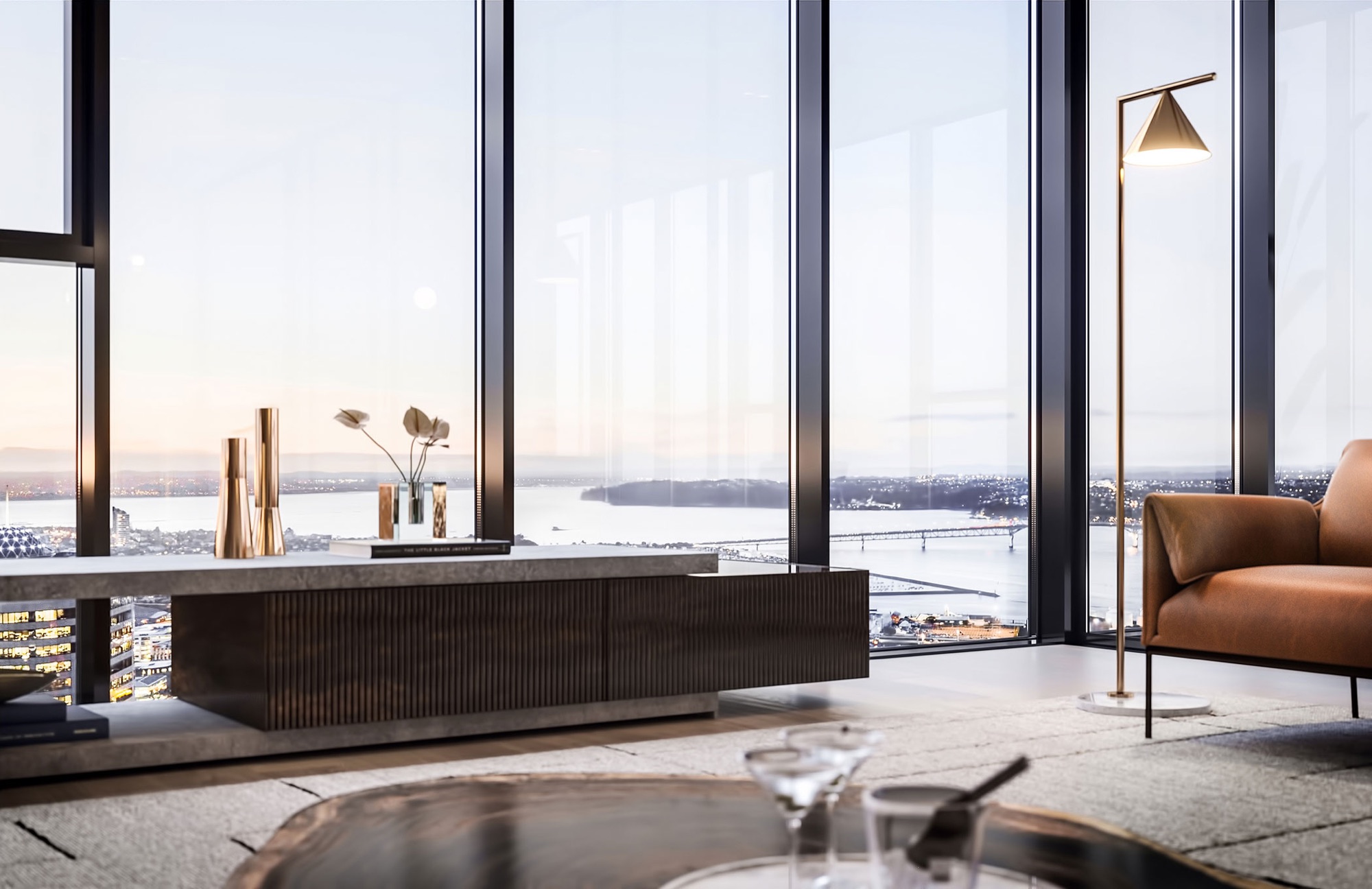
Arch viz, using different technology but the same principles, can achieve similar effects. In this image by Stab the use of depth of field operates on two levels. The straight-forward realism achieved by having the foreground out of focus is enhanced by the aesthetically balanced contrast between the blurred contours of the glasses, the sharp focus of the shapes in the middle distance and the hazy atmospheric perspective of the distant landscape. This is further complemented by an abstracted use of colour: the careful balancing of degraded split complementaries (desaturated purple-blues with golds, browns and reddish browns) as well as an artistically considered use of tonal contrasts that range from strong to subtle. All of these combine to express a distinctly human sense of beauty, balance, and rightness of proportion that breathes life into the image – a type of life or vitality that a photographic image that relies purely on optical accuracy can never have. This highlights the fact that arch viz images must go directly against the tenets of Realism (the art historical term – see Part One) in order to achieve their representational aims. Our experience of reality is always subjective. The worldviews, beliefs, attitudes, value systems, emotions and aspirations that make up a vital part of human perception add realism to an image. In this image the central feature of the reality that needed to be conveyed is that of a lifestyle of exquisite refinement, and this has been achieved with outstanding artistic skill.
Solving the problem of expressive form: lighting, chiaroscuro and atmospheric effects
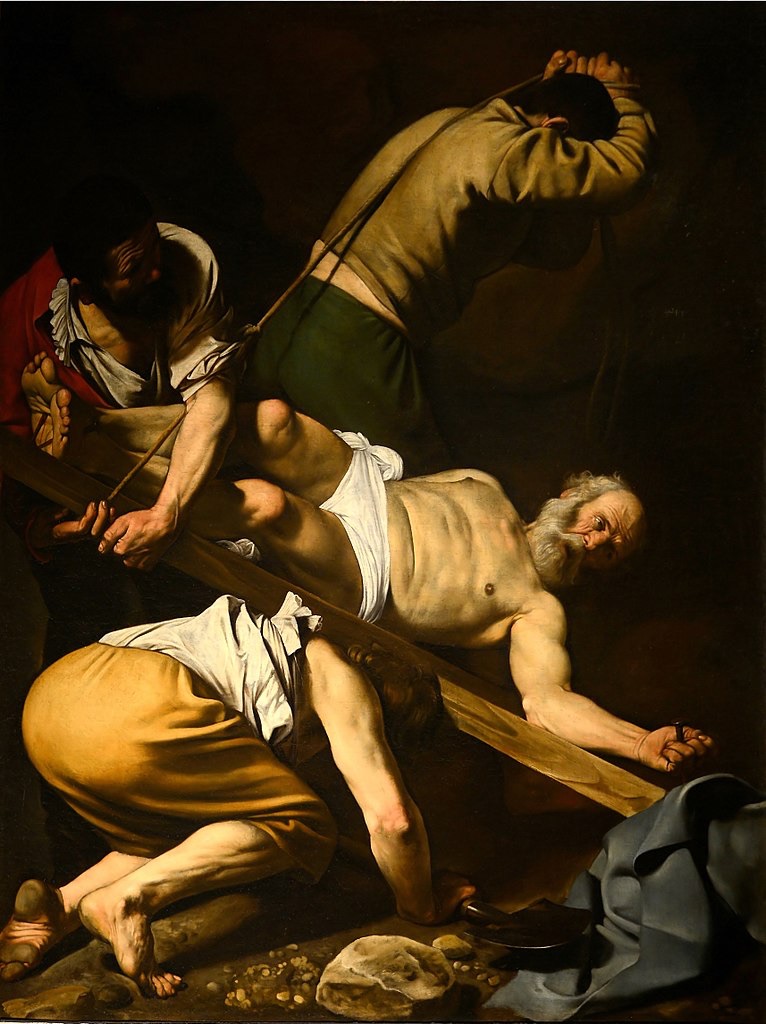
But perhaps the most direct and powerful way in which traditional art, as well as modern art, expresses emotion and mood is through the distortion of form. During the 15th and 16th centuries realistic painting found a way to compensate for the fact that it could not do this directly. The answer to the problem lay in a carefully considered use of light and shadow. The term chiaroscuro (from the Italian chiaro – ‘light’ and oscuro – ‘dark’) was coined to describe this artistic contrast of light and shadow in painting. In the 17th century artists took this technique to new heights of dramatic intensity, as this painting by Caravaggio shows. By dramatically highlighting certain parts of the bodies and cloaking others in darkness the artist could create new shapes that break up the human form and other objects into a wide range of expressive shapes that can convey almost anything he or she wants it to. Furthermore, and importantly, unwanted shapes, details and textures that might make the composition cluttered, and that have no aesthetic function, can be eliminated by hiding them in the dark shadows. The powerful composition and resulting emotional intensity that Caravaggio achieves here with this expressive use of contrasting, angular shapes is direct in its impact, without him having to resort to obvious distortion.
You must be logged in to post a comment. Login here.
Adding a comment here.